Nursery Bedding
A Practical Guide to Choosing Breathable Nursery Bedding
A nursery blanket can be soft, beautifully made, and thoughtfully chosen—and still not belong in an infant’s sleep space. Understanding that distinction makes it easier to compare fibers, weaves, warmth, and care without losing sight of the most important question: how will this textile actually be used?
A baby blanket occupies an unusually large place in a small room. It may be folded at the foot of a chair, carried on a stroller walk, spread on the floor for supervised play, or tucked into a gift box with the solemnity of a family heirloom. Its apparent simplicity invites a certain amount of overthinking. Cotton or wool? Open weave or close? Light enough for summer, warm enough for a drafty bedroom? And what, exactly, does “breathable” mean when a product description uses the word as if it were a guarantee?
The useful answer begins with purpose. A textile intended for supervised cuddling or a stroller outing is not the same thing as bedding for an infant’s sleep space. Current safe-sleep guidance advises keeping loose blankets and other soft objects out of an infant’s sleep area. A blanket can be part of daily life around a baby without being used as a loose covering during sleep. Caregivers should follow current recommendations from their pediatrician and relevant public-health authorities, which may vary with a child’s age and circumstances.
Once that boundary is clear, choosing a nursery blanket becomes less mysterious. Fiber, weave, weight, size, and laundering all matter—but not in isolation, and not as substitutes for safe use. The best choice is the one that suits the task, the household’s care routine, and the conditions in which the blanket will be used.
“Breathable” is a property, not a promise
In fabric talk, breathability describes how readily air and moisture can move through a textile. It is affected by fiber, yarn, weave, finishing, and thickness. A loosely woven cotton layer may feel airy; a dense, heavy textile made from the same fiber may behave quite differently. A material’s name alone cannot tell you exactly how warm it will feel or how it will perform in a particular room.
That is why the word deserves a little scrutiny. A product called breathable is not necessarily cool in every setting, and breathability does not make a loose blanket appropriate for an infant sleep space. It can, however, be a useful consideration for a blanket used during supervised time. A lighter, more open textile may be easier to adapt to shifting conditions than a thick layer that holds more warmth.
The nursery itself is not a laboratory. A room may cool near a window or warm in afternoon sun; a stroller may encounter wind, shade, and overheated shops in the span of a short errand. Think about where the blanket will go and how long it will be used. The goal is not to find one miraculous textile that performs perfectly everywhere. It is to choose an appropriate layer for a specific purpose and pay attention to the baby’s comfort.
Cotton: the dependable everyday option
Cotton is a familiar starting point for nursery textiles, in part because its care instructions are often straightforward. Depending on the construction and label, a cotton blanket may be machine washable, making it convenient for a household expecting frequent spills, dribbles, and changes of scene. It can also be woven in many ways, from smooth and light to plush and substantial. “Cotton” is a fiber description, not a single texture or level of warmth.
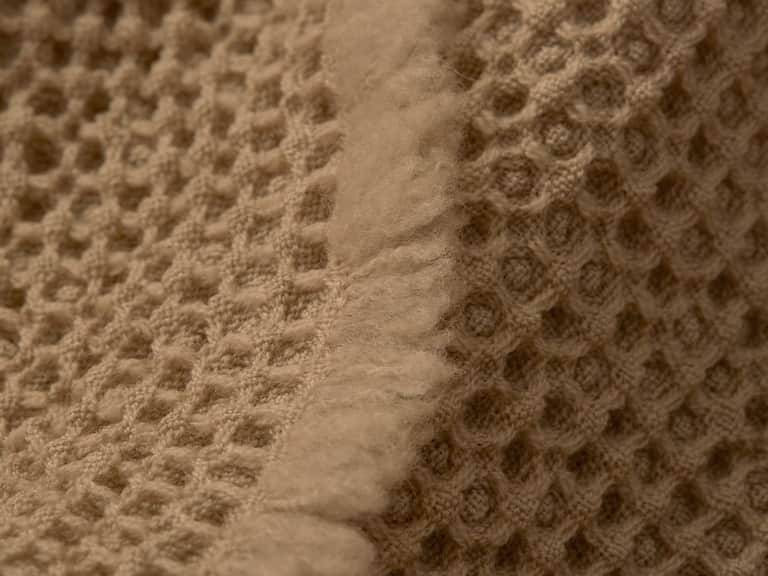
For supervised cuddling, play, or an outing, a lightweight cotton blanket may offer a flexible layer. A waffle or honeycomb weave has a raised structure and visible spaces between parts of the fabric; a closely woven blanket may feel smoother and provide a different degree of coverage. Neither construction is automatically right for every situation. Consider the overall thickness, how the blanket feels against skin, and whether its edges or decorative details could snag or come loose.
Organic cotton refers to the way cotton is grown and certified under a particular standard. It does not, by itself, indicate that a blanket is softer, cooler, safer for every child, or easier to wash. If certification matters to you, check the specific claim and its scope rather than relying on a broad label. Fabric performance still depends on construction and finishing, and the care label remains the most useful guide to what happens after the first wash.
Wool and alpaca: warmth, texture, and care
Wool is valued for insulation and for its ability to manage moisture within the fiber. But those general traits do not make every wool blanket lightweight, suitable for warm weather, or simple to maintain. A dense wool textile may feel markedly warmer than a thin one, and many wool products call for dry cleaning or other specific care. Read the instructions before buying, especially if you expect to wash the blanket often.
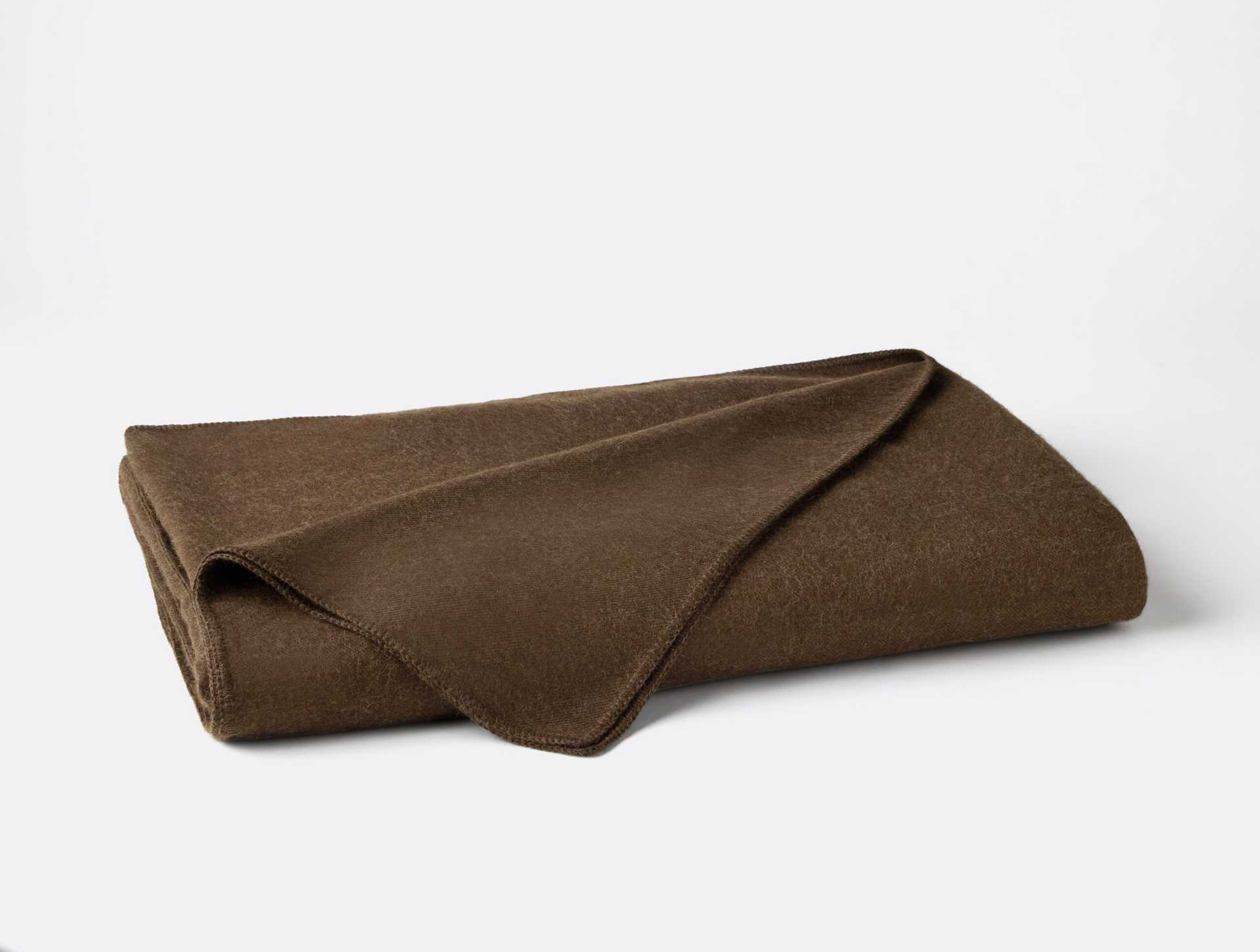
Alpaca is another animal fiber used in blankets. Its hand, drape, and warmth depend on the yarn and weave; a product described as soft or lightweight still needs to be assessed as a complete textile. Some alpaca blankets require dry cleaning. For a household looking for an easy-care layer, that requirement may matter more than a fiber’s reputation. For a blanket used occasionally under supervision, less frequent laundering may be manageable, provided the care routine suits the family.
With either wool or alpaca, avoid assuming that terms such as “natural,” “breathable,” or “hypoallergenic” settle every question. Individual sensitivities differ, and fabric finishes, dyes, construction, and washing can affect how a textile feels in practice. If a baby has a known skin condition or a suspected sensitivity, seek advice from a qualified health professional rather than treating a product description as medical guidance.
The weave changes the experience
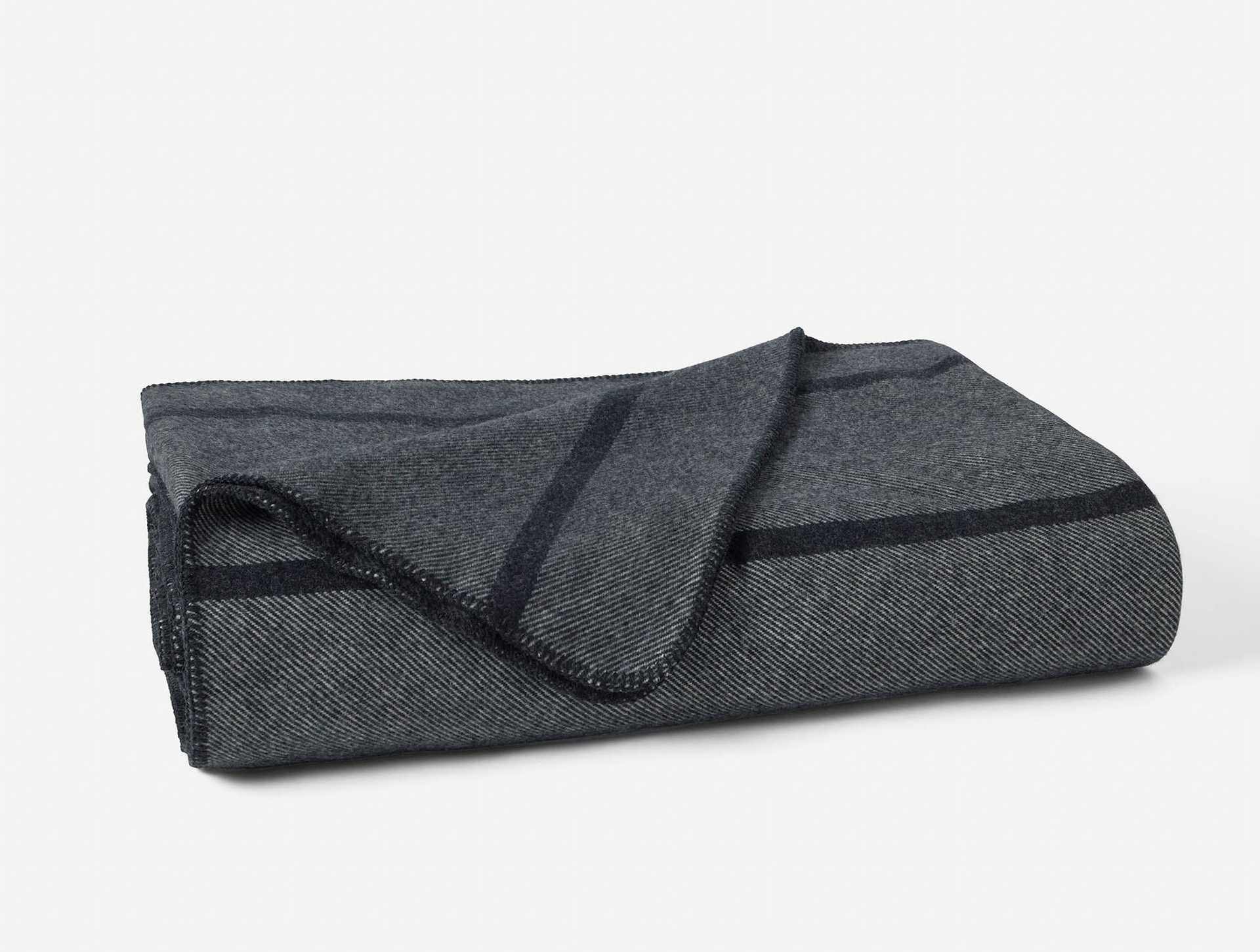
Two blankets made from the same fiber can feel like different objects. A plain weave tends to present a familiar, even surface. A waffle structure creates small pockets and a three-dimensional texture. Chenille yarn can produce a plush hand; brushing can soften a wool surface; a twill weave often has a diagonal pattern and a fluid drape. Those details influence touch, thickness, and the way a textile hangs or folds.
For a nursery blanket intended for supervised use, simplicity has practical appeal. A fabric that is not excessively bulky is easier to fold and carry. Securely finished edges are less likely to fray than unfinished ones, though any textile should be inspected periodically for loose threads, worn seams, or damage. Trim, fringe, buttons, ties, and other decorative elements deserve particular attention: an attractive finish is not useful if it complicates safe handling or care.
If you can examine a blanket in person, feel it rather than judging by a close-up photograph. Check its weight in your hands and notice whether it seems compact or lofty. Look at the weave against the light, then consider the intended use. A delicate, open layer may be pleasant on a warm afternoon but less useful as a general-purpose throw. A dense, plush blanket may be cozy for an adult holding a baby yet too warm or cumbersome for another setting. The right choice is contextual.
Weight, size, and the intended job
Before comparing labels, name the job. Is the blanket for supervised lap time, a stroller, a changing bag, floor play, or room decoration? A compact layer is easier to pack; a larger one may be useful for an adult to drape over a chair or lap. A blanket sold as a “baby blanket” can still vary widely in dimensions, weight, and intended age range, so check the measurements instead of relying on the name.
Size is also a question of manageability. A generous textile may cover more than expected and can bunch or trail when carried. A small one may be easy to fold but offer less coverage for an adult holding the baby. Neither is a universal solution. Consider the setting and keep the blanket under an attentive adult’s supervision whenever it is being used with a young child.
A decorative blanket can contribute color and texture without being placed in the crib. Folded on a shelf or draped over an adult’s chair, it can make the room feel finished while remaining separate from the infant’s sleep surface. Nursery design often rewards restraint: a soft palette, a few useful textiles, and room to move may be more restful than an abundance of objects competing for attention.
Washing: the detail that determines daily life
A blanket’s care label is not fine print. It is part of the product’s practical identity. Machine-washable cotton may fit a frequent-laundry routine, while wool or alpaca labeled dry-clean-only may require more planning and expense. A blend can have its own rules. Check the instructions before purchase, and follow them after purchase; heat, harsh detergents, or the wrong cycle can change texture, shrink dimensions, or weaken a finish.
If the blanket is machine washable, use the label’s guidance on water temperature, cycle, and drying. Washing similar colors together can reduce the risk of dye transfer. Remove the textile promptly if instructed, and avoid assuming that a high-heat dryer is harmless simply because a blanket feels sturdy. When in doubt, the manufacturer’s care instructions take precedence over generic advice.
Inspect the blanket after washing. Look for loose threads, fraying, stretched edges, or changes in the fabric’s surface. These checks are ordinary household maintenance, but they are especially sensible for items used around young children. A well-made textile is not maintenance-free; durable use depends in part on noticing when a piece needs repair or retirement.
Choosing among labels and claims
Nursery shopping can produce a small blizzard of reassuring words: organic, natural, non-toxic, sustainable, hypoallergenic. Some labels refer to verifiable standards; others may be broad descriptions without a clearly stated scope. Read what the manufacturer says the claim applies to—fiber, dye, facility, or finished product—and look for the name of the relevant certification when one is offered.
A certification can provide useful information, but it does not answer every question about comfort, durability, or safe use. Nor does a natural fiber automatically mean low-impact production or ideal care requirements. A thoughtful decision weighs the actual material composition, where and how the textile is made when that information is available, its expected lifespan, and whether it can be maintained without undue difficulty.
There is also a difference between a product claim and a medical claim. “Soft” is a subjective description; “machine washable” is a care statement that should be supported by instructions. A claim about preventing irritation or treating a condition requires a higher standard of evidence. For a baby with particular health needs, a clinician’s advice is more useful than promotional language.
A simple comparison before you buy
A short checklist can make product pages easier to read. Before settling on a nursery blanket, ask:
- What is it for: supervised cuddling, an outing, play, or decoration?
- What is the full fiber composition, and does the weave or finish add bulk?
- How does its weight suit the likely setting and season?
- Are the dimensions manageable for the intended use?
- What does the care label require, and can that routine fit your household?
- Are the edges secure, and are there trims or details that need closer inspection?
- Are sustainability or safety claims specific and supported by clear information?
- How will you keep it separate from an infant’s sleep space when loose bedding is not appropriate?
This is less a test than a way to quiet the noise. A blanket can be lovely and still be the wrong purchase if it demands care you cannot provide, feels too heavy for its intended use, or is chosen for a purpose it should not serve. A modest, well-understood textile often proves more useful than a luxurious one bought under the spell of adjectives.
Temperature is managed by the whole setting
A blanket is only one part of a baby’s thermal environment. Room conditions, clothing, the duration of an outing, and the baby’s individual circumstances all matter. Adding layers by instinct can sometimes lead to too much warmth, especially when conditions change quickly. Caregivers should use current pediatric safe-sleep recommendations for sleep and seek professional advice when unsure about an infant’s temperature or health.
For supervised time, pay attention to the setting rather than treating a textile as a thermostat. A lightweight cotton layer may suit one outing; a warmer fabric may be useful when an adult is holding the baby in a cooler room. The blanket’s role is supplemental. It cannot replace attentive supervision, appropriate clothing, or guidance suited to the child.
A quieter kind of nursery preparation
Preparing for a baby often turns ordinary choices into declarations of intent. A blanket can seem to promise comfort, tradition, naturalness, even a future family story. There is nothing wrong with choosing one for its color or handfeel. But good nursery decisions are not required to carry the weight of a manifesto. A practical blanket, chosen with care and used in the right context, is already doing enough.
Start with the purpose, then compare fiber and weave. Look at weight and dimensions. Check washing instructions before falling for a texture. Treat certifications as information to investigate, not magic words. And keep the central distinction in view: a nursery blanket may be useful for supervised cuddling, outings, or decoration, while loose blankets should stay out of an infant’s sleep space in accordance with current safe-sleep guidance.
The result need not be elaborate. It may be a washable cotton layer folded beside the changing bag, a warmer textile reserved for an adult’s lap, or a carefully chosen throw that gives the room a softer edge. What matters is not that one blanket do everything. It is that the textile, its care, and its use make sense together—and that comfort never comes at the expense of a safer sleep environment.