Exploring Vicuña Wool: Luxury, Care, and Ethical Sourcing in Fine Home Textiles
Vicuña wool—the whispered name behind some of the world’s most coveted textiles—offers warmth without weight, softness without compromise, and a story that stretches across high Andean plateaus and a modern consumer appetite for responsible luxury. This article unfolds the fiber’s history, its unique properties, and the way contemporary brands navigate ethics, conservation, and care. In doing so, we glimpse not just a fabric, but a sensibility: a commitment to quality that doesn’t forget origin.
What is vicuña wool and why it captivates luxury textiles
The vicuña, a wild relative of llamas and alpacas, inhabits the high Andes with a lineage as old as the wind-sculpted slopes that cradle it. Its wool, renowned for fineness and brilliance, sits at the pinnacle of natural fibers. Historically valued as a premium material by Andean communities—woven into ceremonial tapestries and heirlooms—the fiber’s modern prestige is a continuation of centuries of craftsmanship married to ecological constraints.
The wool’s extraordinary fineness—often measured in microns well below other wools—produces a hand that is astonishingly soft, yet resilient. It delivers insulation that feels-light in the hand, giving warmth without bulk. In bedding, throws, and luxury blankets, vicuña wool creates a sensory experience that reads as both tactile and ethereal: the warmth of a hearth, the hush of a mountain morning, and the quiet luxury of texture you can live with daily.
In comparison to more familiar natural fibers—merino wool, cashmere, cashmere blends—vicuña wool occupies a rarefied position. It brings a whisper of exclusivity without abandoning the practical expectations of care, colorfastness, and longevity. Yet the allure is never merely surface; it rests on a history of careful stewardship, conservation ethics, and transparent supply chains that honor both animal welfare and artisanal craft.
Ethical sourcing: conservation, transparency, and certification
The romantic image of vicuña wool can easily drift into abstraction. To ground luxury in responsibility, brands increasingly emphasize the ethics of wool production. Conservation-minded programs aim to protect vicuñas in their natural habitat while ensuring communities that historically relied on vicuña fiber can continue traditional practices with dignity and fair compensation.
Certification and traceability frameworks form the backbone of consumer confidence. Certifications may span animal welfare standards, sustainable management of wild populations, and responsible shearing or fiber collection practices. A growing chorus of brands—united by transparent disclosures—offers supply chain maps, third-party audits, and annual impact reports. The aim is not mere compliance but a culture of accountability: a marketplace where luxury textiles can claim provenance you can verify.
Beyond certification, many fashion and home-textile houses pursue partnerships with conservation initiatives and artisan cooperatives. Such collaborations often yield a dual benefit: preserving traditional weaving techniques while ensuring that calendar-year communities receive fair opportunities and robust livelihoods. The result is a textile narrative that honors both the fiber’s origin and its modern expression in design-conscious homes.
Care and maintenance: preserving softness and warmth
Vicuna-based textiles invite a particular ritual of care that respects the fiber’s delicacy and brilliance. The guidance for care mirrors that of other luxury natural fibers, with emphasis on gentle handling, avoidance of aggressive agitation, and dry or low-impact care when appropriate.
Practical tips:
- Follow manufacturer instructions closely; vicuña textiles may require specialized cleaning, sometimes dry-clean only, to maintain fiber integrity.
- Avoid high-heat drying; opt for air-drying or low-temperature cycles if machine drying is permitted.
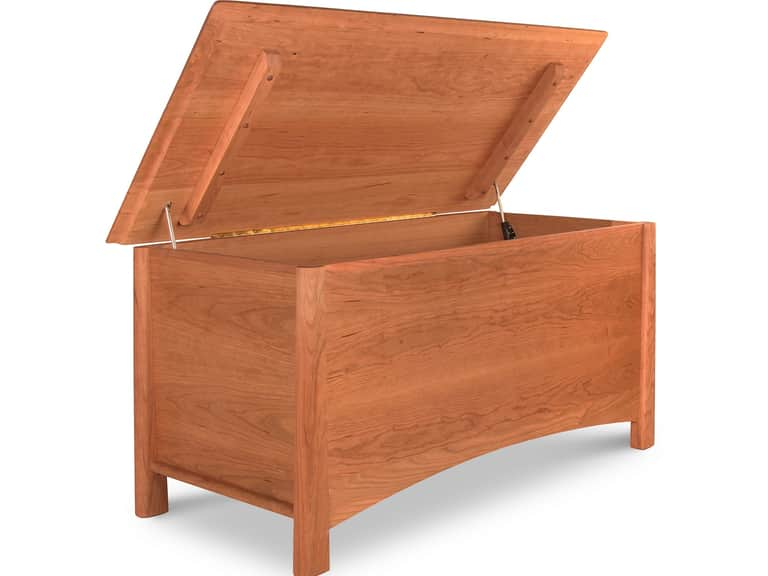
- Store in breathable containers; protect from moths and pests with natural repellents and clean environments.
- Brush occasionally with a soft fabric brush to maintain loft and remove surface dust.
- Avoid frequent washing to preserve natural lanolin-like softness and warmth; spot-clean when possible.
The vicuña and the broader textile ecosystem
Luxury textiles do not exist in a vacuum. The vicuña’s journey—from the high pasturelands of the Andes to the quilted warmth of a bed blanket—unfolds within a larger ecosystem of ecological concern, economic justice, and cultural memory. The ethical dimension of vicuña textiles is inseparable from questions of biodiversity, habitat preservation, and the vitality of weaving communities. The luxury consumer of today often seeks more than a product; they seek a story, a set of values, and a chain of custody they can trust.
In this rich ecology, a product like a vicuña-inflected blanket may be paired with other natural fibers—alpaca, merino, or organic cotton—each chosen for its own properties and ethical alignment. The careful orchestration of fiber blends, weaving techniques, and finishes reveals a philosophy: luxury that is meticulous about origin, generous in its regard for human and animal welfare, and intimate with the land that sustains it.
A New Yorker’s lens: three key figures across time
From travelers and scholars of the 19th century to contemporary researchers and artisans of the 21st, three figures—each from different epochs—illuminate the vicuña’s resonance across time.
Antonio Raimundo
19th century explorer and naturalist
In a world still mapping the unknown, Raimundo documented alpine ecosystems and the cultural livelihoods of Andean communities. His field notes, though modest in scale by contemporary standards, helped seed early interest in vicuña populations, their conservation needs, and the symbolic value of fiber in highland life. He reminded readers that the beauty of a fiber is inseparable from the landscape and the people who practice it.
Maria Elena Quiroga
20th-century ethnographer and textile scholar
Quiroga’s studies connected weaving techniques with social structures and regional economies. Her work underscored how fiber selection—whether vicuña or otherwise—maps onto ritual, identity, and trade networks. Her insights help modern designers and consumers appreciate the fibers as vessels of culture, not merely as commodities.
Dr. Asha Kittner
21st-century conservation scientist and textile innovator
In recent decades, Kittner has championed transparent supply chains and cross-disciplinary collaboration between conservation biology and textile design. Her work demonstrates how rigorous science—genetic baselines, population monitoring, and habitat preservation—can coexist with the creation of luxurious fabrics. She embodies a modern synthesis: luxury with accountability.
A practical primer for readers and connoisseurs
For readers attracted to the vicuña’s aura, the practical questions matter: How does one identify ethically sourced vicuña textiles? What do care labels reveal about provenance? Which partnerships between brands and conservation initiatives offer the most credible assurances?
- Look for clear sourcing narratives, including certifications, supply-chain transparency, and third-party audits.
- Seek fibers that respect animal welfare and habitat integrity, supporting cooperatives and communities with fair trade principles.
- Favor care guidelines that preserve texture, warmth, and longevity, even if that means less frequent washing or specialized cleaning.
- Support brands that publish annual impact reports and facilitate collaboration with museums, universities, or conservation entities.
A featured product and its narrative in context
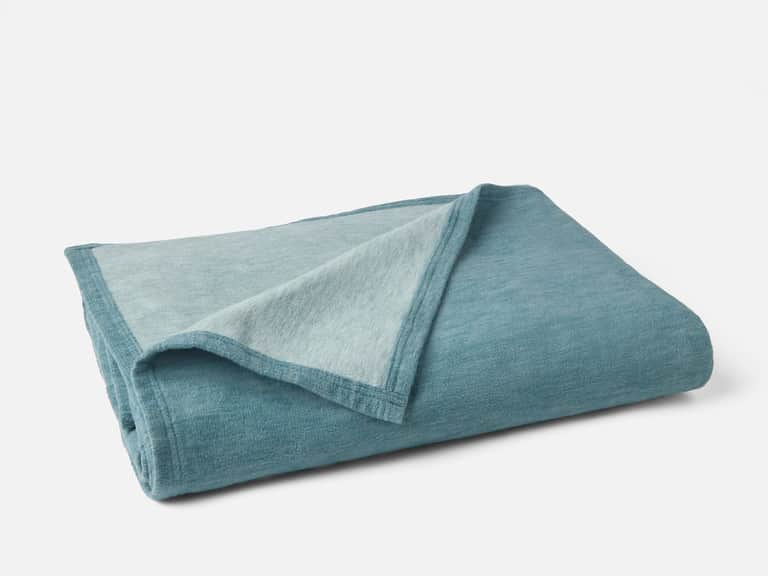
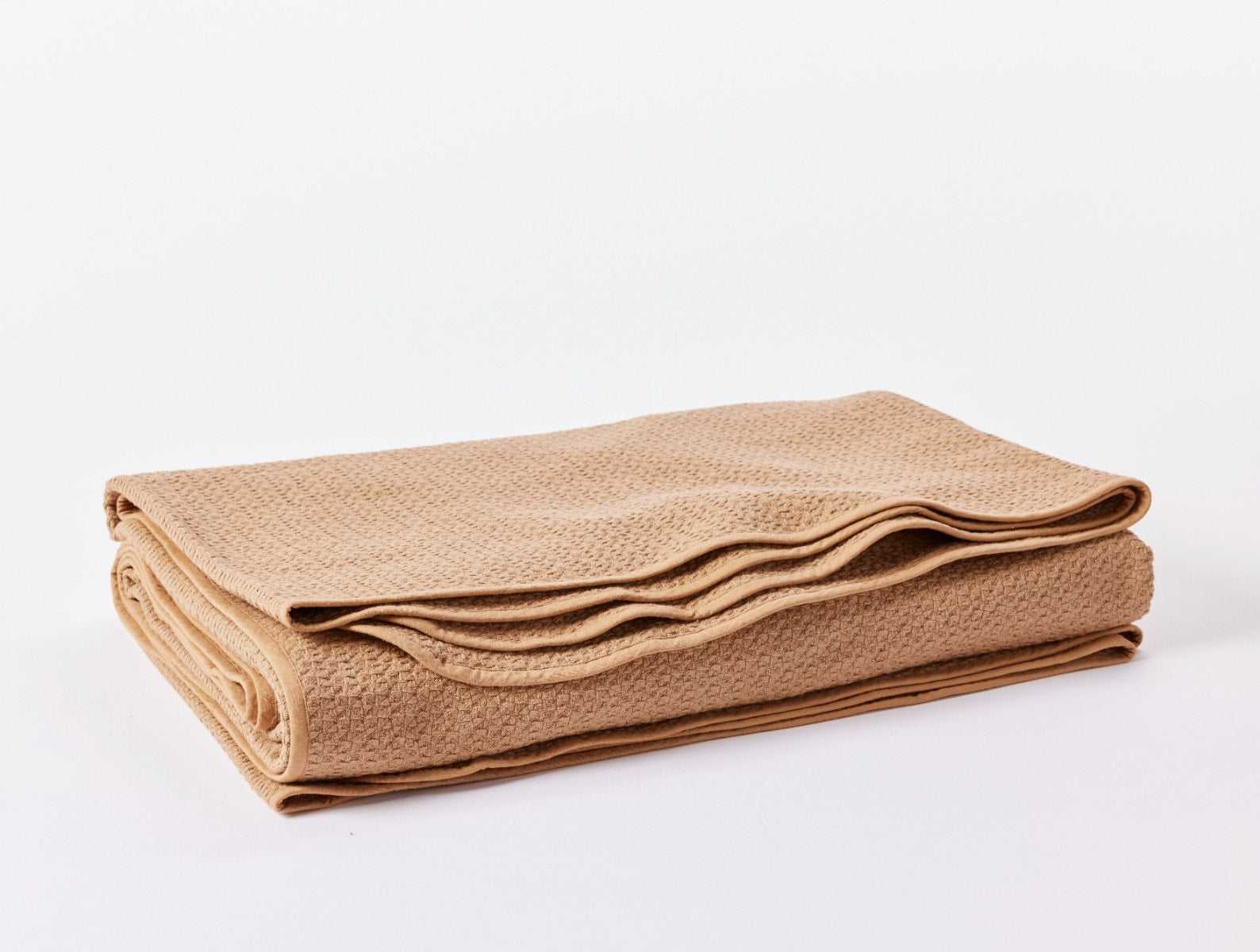
In the tapestry of influenced luxury textiles, one product stands out for its blend of sustainability, warmth, and modern sensibility: the Full Circle Recycled Cotton Blanket. While not vicuña itself, its presence in our narrative foregrounds a design philosophy compatible with vicuña’s ethical economy. It is a blanket woven in Germany, featuring a soft brushed finish and color variations born from recycled yarns. Its provenance—52% recycled Coyuchi cotton from Coyuchi's 2nd Home program and 48% organically grown cotton—speaks to a contemporary practice: circularity as a design principle, second chances encoded in fiber choices, and quality that remains legible across generations.
The blanket’s brushed finish is more than a texture; it is a tactile invitation to linger. The color variations, subtle and human, acknowledge the fiber’s journey rather than obscuring it. Packaged in a recycled poly bag, the product embodies a lifecycle that does not end at disposal but continues in responsible disposal and reuse.
In a vicuña context, such circularity resonates with the principles of sustainable luxury: a rich sensory experience that does not demand compromise on ethics or environment. This is not simply a product review; it is an editorial reflection on a brand’s craft, the materials it chooses, and the promises it keeps.
Product Highlight
Full Circle Recycled Cotton Blanket
A garment of care and responsibility, woven in Germany. Soft, brushed finish with color variations that celebrate recycled yarns.
Price: 248.00 USD
Note: This product is included here to illustrate a broader luxury-textile philosophy that can coexist with vicuña-based pieces under a shared umbrella of sustainable, ethically sourced home textiles.
Conclusion: luxury reimagined through responsibility and craft
The vicuña wool story is not merely about rarity or texture; it is a narrative about how modern luxury can be conscious, transparent, and humane. In the years ahead, what distinguishes the notable products will not only be their warmth and softness but the integrity of their supply chains, the respect afforded to ecosystems, and the collaboration with artisans who keep tradition alive while inviting the present into a more ethical future.
If you are drawn to vicuña textiles, allow the exploration to extend beyond the surface sheen. Seek the quiet complexities—the conservation commitments, the governance frameworks, the shared benefits with communities—that culminate in objects that feel as much like heritage as they do comfort. In that delicate balance lies the essence of luxury reimagined for the conscientious home.